

It often starts with something small — a dull ache after meals, a bit of bloating, maybe a burning feeling in your upper abdomen. Most people brush it off as acidity or an ulcer. But sometimes, what feels like a simple gastric problem could be an early sign of something much more serious — stomach cancer.
Every year, thousands of patients delay seeking medical help because the early symptoms of gastric ulcers and stomach cancer are surprisingly similar. Both can cause pain, discomfort, and indigestion, but the difference between them could mean the difference between quick recovery and life-threatening disease.
That’s why understanding these warning signs—and knowing when to consult a specialist—is so important. According to Dr. Sanjoy Mandal, a leading GI surgeon in Kolkata, early detection and accurate diagnosis can save lives. In this detailed guide, we’ll break down the difference between an ulcer and cancer, how doctors diagnose each, and what you can do to protect your stomach health before it’s too late.
Understanding Gastric Ulcers

What Are Gastric Ulcers?
A gastric (stomach) ulcer is a sore or open wound in the lining of the stomach. It’s a form of peptic ulcer. The underlying protective mucous layer is damaged, allowing stomach acid to erode the tissue.
Common Causes and Risk Factors
- Infection with Helicobacter pylori. This bacterium damages the stomach lining.
- Regular use of NSAIDs (non-steroidal anti-inflammatory drugs).
- Smoking, excessive alcohol, stress, and poor diet can worsen the risk.
- Other contributing factors: certain medical conditions, age, and genetic susceptibility.
Typical Symptoms and Early Warning Signs
Symptoms often include:
- Burning or gnawing pain in the upper abdomen, especially when the stomach is empty.
- Bloating, belching, heartburn.
- Nausea or mild vomiting.
- In severe cases: black or tarry stools, vomiting blood—indicating ulcer complications.
Because ulcers are common and treatable, many people assume the symptoms will pass—but ignoring them may lead to worse outcomes.
Exploring Stomach Cancer
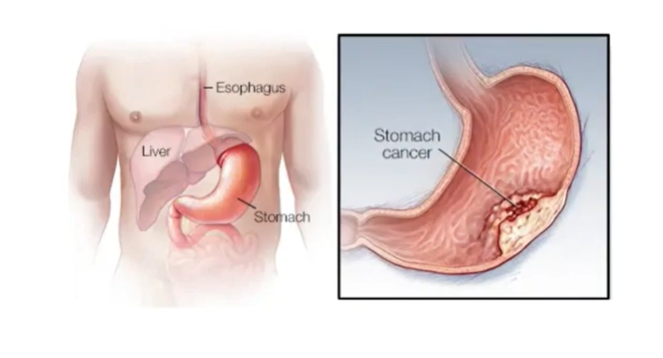
What Is Stomach Cancer?
Stomach cancer (also called gastric cancer) arises when cells in the stomach lining begin to grow uncontrollably and form a malignant tumour.
Risk Factors and Causes
Key risk factors include:
- Chronic H. pylori infection.
- A diet high in salted, smoked or preserved foods; low in fresh fruits and vegetables.
- Smoking and heavy alcohol use.
- Family history of gastric cancer or genetic syndromes.
- Older age and male gender increase risk.
Recognising Early Symptoms
One of the challenges: early symptoms are often vague. They may include:
- Loss of appetite, feeling full quickly (early satiety), and unintentional weight loss.
- Mild abdominal discomfort, bloating.
- Later: vomiting (possibly blood-tinged), difficulty swallowing (if tumour is near the food pipe), anaemia.
Because these red flags may only appear in more advanced stages, any persistent, unexplained symptoms should be evaluated promptly by a specialist.
Key Differences Between Gastric Ulcers and Stomach Cancer
Symptom Comparison
| Feature | Gastric Ulcer | Stomach Cancer |
| Pain type | Burning/gnawing; often improves after eating or with antacids | Often vague at first, pain may persist or worsen; eating may not relieve it |
| Appetite/weight | Usually normal; weight loss is uncommon | Loss of appetite and unintended weight loss are common |
| Fullness | Uncommon early | Feeling full quickly is common (early satiety) |
| Bleeding signs | Possible (dark stools, vomit) in severe cases of ulcer complications | More common blood in stool/vomit; anaemia |
| Response to food/meds | Pain often improves with food or antacids | Little relief from food or simple remedies |
Diagnostic Approaches
Diagnosing the difference requires medical investigation.
- For ulcers: upper gastrointestinal endoscopy, H. pylori tests (breath, stool), sometimes biopsy.
- For stomach cancer: endoscopy with biopsy is the gold standard; imaging (CT/MRI) to assess spread.
A biopsy is critical because even “ulcers” may hide malignant cells.
Treatment Options
- Gastric Ulcer Treatment: Antibiotics if H. pylori-positive, proton-pump inhibitors (PPIs) or H2 Blockers to reduce acid production, and lifestyle/diet changes. Healing happens in weeks to months.
- Stomach Cancer Treatment: Depends on stage—may include surgery (partial or total gastrectomy), chemotherapy, radiation, targeted therapy. Prognosis varies.
The Link Between H. Pylori Infection and Cancer
Understanding H. Pylori
H. pylori is a bacterium that colonises the stomach lining. In many people, it causes no symptoms, but in others, it triggers inflammation, ulcers and even changes in the stomach lining over many years.
Its Role in Ulcers and Cancer Development
- H. pylori is a major cause of peptic ulcers (gastric ulcers).
- Chronic H. pylori infection is classified as a class 1 carcinogen by the WHO, as it increases the risk of gastric adenocarcinoma.
- Studies show that individuals with gastric ulcers have a higher long-term risk of stomach cancer—even when the initial diagnosis was benign.
In short, while an ulcer does not inevitably become cancer, untreated factors (like H. pylori) can create an environment where cancer is more likely.
When to Seek Medical Attention
Warning Signs That Require Immediate Consultation
If you experience any of the following, consult a specialist—especially a GI surgeon in Kolkata—without delay:
- Persistent upper abdominal pain not relieved by usual treatments
- Unexplained weight loss or loss of appetite
- Vomiting blood or seeing black/tarry stools
- Feeling full quickly or difficulty swallowing
- Anaemia signs: fatigue, paleness, shortness of breath
Early detection makes a significant difference. For gastric ulcer complications and for stomach cancer, the earlier you catch it, the better the outcome. Delaying treatment may allow a treatable condition to become serious.
Preventive Measures and Lifestyle Recommendations
Diet and Nutrition Tips
- Increase fresh fruits, vegetables, and whole grains; reduce processed, smoked or salted foods (linked to gastric cancer risk).
- If you have a gastric ulcer, avoid spicy foods, excessive caffeine/alcohol, and large meals that increase stomach acid. (Gastric ulcer diet recommendation)
- Drink adequate water and avoid late, heavy meals.
Lifestyle Changes to Reduce Risk
- Quit smoking; limit alcohol.
- Use NSAIDs only under medical guidance and for short durations.
- Manage stress using relaxation techniques, as high stress may worsen gastric ulcers.
- For H. pylori-positive individuals: Complete the antibiotic treatment and follow up.
Importance of Regular Screenings
If you have any of the following, consider check-ups:
- Known H. pylori infection.
- Family history of stomach cancer.
- Chronic ulcers or recurrent gastrointestinal symptoms.
Screening and endoscopy can catch issues before they progress.
Final Thoughts on Prevention and Awareness
In your body’s fight for health, knowing the difference between a treatable gastric ulcer and the more serious threat of stomach cancer matters. While both conditions share symptoms, they differ significantly in cause, treatment and prognosis. A GI surgeon in Kolkata—especially at a trusted centre like Dr Sanjoy Mandal’s practice—can help you navigate the maze.
Don’t wait for fear to hold you back. If you experience persistent stomach symptoms, pain, or risk factors, take action now. With timely treatment, a proactive diet, and smart lifestyle changes, you may keep ulcers in check and reduce the risk of gastric cancer. Awareness is the first step toward achieving peace of mind and good health.
People Also Ask
Can a gastric ulcer turn into stomach cancer?
Generally no – an ulcer itself isn’t destined to become cancer. However, if the underlying cause, like H. pylori, is untreated, there is an increased risk of gastric cancer.
What tests are used for stomach cancer diagnosis?
Key tests include upper GI endoscopy with biopsy, imaging (CT or MRI) to assess spread, and blood tests. These help differentiate an ulcer from cancer.
How long does it take to treat a gastric ulcer?
With proper treatment (medication and lifestyle changes), many gastric ulcers heal in 4-8 weeks. But each case is unique.
What are the survival rates for stomach cancer?
Survival depends on the stage at diagnosis. Early detection significantly improves outcomes; advanced stages have lower survival rates.
What diet is recommended for someone with a gastric ulcer?
A gastric ulcer diet recommendation typically involves small, regular meals, avoiding spicy or acidic foods, limiting caffeine/alcohol, and including fibre-rich fruits and vegetables.