

Is it normal to get piles in your 20s? Many people think piles are only an old-age problem. Still, they're becoming more common in your 20s because of lifestyle factors like long sitting hours, unhealthy diets, stress, and irregular bowel habits. As a result, they lead to increased pressure on the veins around the anus and rectum, which eventually causes piles or haemorrhoids at a young age. However, many young people ignore early symptoms; timely evaluation helps prevent recurring discomfort and manage the condition effectively. In this blog, we cover every detail of this medical condition and how an experienced doctor can help you manage it.
What Exactly Are Piles or Haemorrhoids?
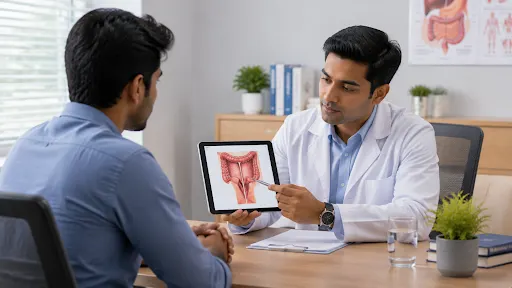
Piles or haemorrhoids are swollen veins in the lower rectum and anus. These veins can become enlarged due to increased pressure, leading to symptoms such as bleeding, itching, discomfort, or swelling.
There are two main types:
- Internal piles: These develop inside the rectum and may cause bleeding or discomfort.
- External piles: These occur under the skin around the anus and may cause swelling, irritation, or pain.
Although this medical condition is common, you shouldn't ignore symptoms, especially if they persist or return repeatedly.
Why Are So Many Young People Developing Piles Today?
The rise of piles in young adults is closely linked to lifestyle changes. Long working hours, reduced physical activity, processed foods, and irregular routines have changed how our digestive system functions.
Here are some common causes of piles in youngsters:
Sitting for Long Hours at Desk Jobs
Piles due to sitting for long hours is common, as many young professionals spend 8–10 hours sitting at their desks every day. Prolonged sitting can increase pressure around the rectal veins and reduce overall movement.
People who work from home may also be at risk because they often take fewer movement breaks during the day.
Regular walking, stretching, and avoiding long periods of sitting can help improve circulation and support bowel health.
Junk Food and Low-Fibre Diets
A diet low in fibre is one of the common reasons behind bowel-related problems in young people.
Fibre helps soften stools and makes bowel movements easier. When the diet mainly includes processed foods, fast food, and fewer fruits, vegetables, and whole grains, constipation may become more likely.
Repeated straining during bowel movements can increase pressure on the veins and contribute to this medical condition.
Adding fibre-rich foods gradually can support smoother digestion and healthier bowel habits.
Not Drinking Enough Water
Many young adults stay busy throughout the day and forget to drink enough water.
Low water intake can make stools harder to pass. This may lead to increased straining during bowel movements, which is a common trigger for haemorrhoids.
Staying well hydrated, along with a balanced diet, can help prevent constipation-related pressure.
Using the Phone While on the Toilet
Spending extra time on the toilet scrolling through your phone may seem harmless, but it can increase the risk of this disease.
Long toilet sessions can put prolonged pressure on the blood vessels around the rectal area. Over time, this habit may contribute to swelling and discomfort.
A better habit is to avoid unnecessary delays and leave the toilet once the bowel movement is complete.
Stress, Irregular Sleep, and Erratic Routines
Stress does not directly cause piles, but it can affect digestion and bowel patterns.
High stress levels, poor sleep, and irregular meals may contribute to constipation, diarrhoea, or changes in bowel habits. These problems can increase strain on the anal veins.
Regular sleep, stress management, and consistent meal times can support better digestive health.
Family History and Genetics
Some people may be more likely to develop piles because of inherited factors.
Weakness in supporting tissues around the rectal veins may increase susceptibility. However, lifestyle habits still play an important role in whether symptoms appear and how frequently they return.
A family history doesn't mean you will definitely develop this disease, but maintaining healthy bowel habits becomes even more important.
What Are the Early Warning Signs of Piles in Your 20s?

Piles symptoms may start mildly, which is why many young people ignore them.
Common piles symptoms in your 20s include:
- Bleeding during or after passing stools
- Itching or irritation around the anal area
- Discomfort while sitting for long periods
- A feeling of swelling or a lump near the anus
- Pain or discomfort during bowel movements
Even occasional symptoms deserve attention if they keep returning.
Many people delay consultation because of embarrassment, but early assessment can help identify the cause and prevent recurring problems.
How Are Piles in Young Adults Different From Piles in Older Adults?
Piles can occur at any age, but the causes may differ.
In older adults, this disease may be linked with age-related changes in supporting tissues. In younger people, lifestyle factors such as prolonged sitting, poor diet, dehydration, and irregular bowel habits often contribute more significantly.
Because these triggers are often ongoing, young adults may experience recurring symptoms if they don't address the underlying habits.
Getting advice early can help prevent piles from becoming a recurring issue later in life.
Can Piles in Your 20s Be Prevented?

Yes, you can reduce many cases of piles with simple daily changes.
Some helpful steps include:
Increase Fibre Intake
Include vegetables, fruits, whole grains, and other fibre-rich foods in your diet. Fibre helps keep stools softer and reduces straining.
Stay Hydrated
Drink enough water throughout the day to support healthy digestion and bowel movements.
Take Regular Movement Breaks
If you have a desk job, stand up, stretch, or walk every hour. Small movements can make a difference.
Maintain Healthy Toilet Habits
Avoid delaying bowel movements and avoid spending unnecessary time on the toilet.
Keep a Regular Routine
Balanced meals, adequate sleep, and stress management can support better gut and bowel health.
These changes help prevent this disease and improve overall digestive wellness.
When Should You See a Doctor for Piles?

Not every case needs immediate treatment, but you shouldn't ignore certain symptoms.
Consult a specialist if you notice:
- Bleeding that continues or returns frequently
- Persistent pain or discomfort
- A lump that does not reduce
- Symptoms that affect daily activities
- Repeated episodes despite lifestyle changes
Always have rectal bleeding evaluated properly, as different conditions can cause similar symptoms.
A proper diagnosis helps identify the actual cause and guides suitable treatment.
Don’t Let Piles Impact Your Routine
Are you already experiencing the symptoms and considering an expert piles consultation in Kolkata? As a trusted piles doctor in Kolkata, I focus on accurate diagnosis and personalised management of colorectal conditions.
During consultation, I evaluate your condition based on symptoms, medical history, and examination findings. Depending on the severity, treatment may include lifestyle guidance, medicines, or appropriate procedures when required.
So don’t wait, as early consultation can help you understand your condition better and choose the right treatment approach.
What People Also Ask About Piles
- Is it normal to have piles at 20 or 25 years old?
Yes, it can occur at 20 or 25 years of age. Lifestyle factors such as diet, sitting habits, and bowel patterns can contribute to their development.
- What causes piles in young people who don't have constipation?
It may develop due to prolonged sitting, low fibre intake, dehydration, stress, family history, or repeated pressure around the rectal veins, even without regular constipation.
- Can piles in your 20s go away on their own?
Mild piles may improve with dietary and lifestyle changes. However, recurring symptoms should be evaluated to prevent future problems.
- Does sitting all day at work really cause piles?
Sitting for long periods can increase pressure around the rectal area and may contribute to the disease, especially when combined with poor bowel habits.
- Can piles in young adults be treated without surgery?
Piles in young adults can be managed without surgery through lifestyle changes, medicines, and other suitable treatments depending on severity.
- Is piles a sign of colon cancer in young people?
Piles are common and usually not cancer. However, symptoms like rectal bleeding should be properly evaluated to rule out other causes.
- Can stress and anxiety cause piles?
Stress does not directly cause piles but may affect digestion, bowel habits, and routines, which can increase risk.
- How do I know if it's piles or something more serious?
A medical evaluation is the best way to identify the cause of symptoms, especially if you have bleeding or persistent discomfort.
- Can young people prevent piles from coming back?
Yes. Maintaining healthy bowel habits, eating enough fibre, staying hydrated, and being physically active can reduce recurrence.
- Is phone use in the toilet really linked to piles?
Spending long periods on the toilet can increase pressure on anal veins and may contribute to piles over time. It is best to avoid prolonged toilet sitting.