
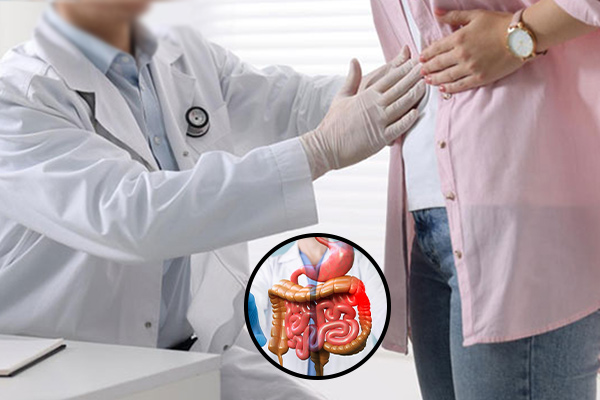
Many digestive disorders begin with symptoms that seem minor but can gradually affect daily life, nutrition, and overall health.
Conditions involving the gallbladder, intestine, appendix, pancreas, liver, and digestive tract often require specialist evaluation for accurate diagnosis and appropriate treatment.
Dr Sanjoy Mandal, a GI surgeon in Kolkata, explains: Many digestive disorders share similar symptoms—but their treatments can be completely different.
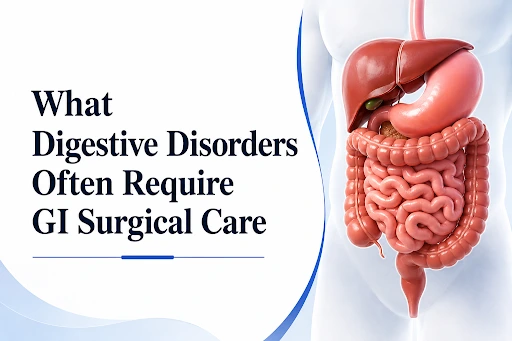
Here are 10 digestive conditions that require specialist attention from a GI surgeon.
Gallbladder Stone
What Are Gallbladder Stones?
- Hardened deposits that form inside the gallbladder
- May vary in size from tiny grains to larger stones
- Can remain silent for years
Common Symptoms
- Pain in the upper right abdomen
- Pain after fatty meals
- Nausea and vomiting
- Bloating and indigestion
When Treatment May Be Needed
- Recurrent pain episodes
- Gallbladder inflammation
- Infection or blockage
- Risk of complications
Ulcerative Colitis
What Is Ulcerative Colitis?
- A chronic inflammatory bowel disease
- Affects the lining of the large intestine
- Characterised by periods of flare-ups and remission
Common Symptoms
- Frequent diarrhea
- Blood in stool
- Abdominal cramping
- Urgency to pass stool
Why Specialist Care Matters
- Disease severity varies significantly
- Long-term monitoring is important
- Complications may require advanced treatment approaches
Abdominal Tuberculosis (GI Tuberculosis)
What Is Gastrointestinal Tuberculosis?
- Tuberculosis affecting the digestive system
- Commonly involves the intestines and abdominal lymph nodes
- Can mimic several other digestive diseases
Common Symptoms
- Persistent abdominal pain
- Weight loss
- Fever
- Changes in bowel habits
Diagnostic Challenges
- Symptoms often overlap with Crohn's disease
- Early diagnosis helps prevent complications
- Imaging and investigations are often necessary
Liver Abscess
What Is a Liver Abscess?
- A collection of pus within the liver
- Can occur due to bacterial or parasitic infections
- Requires timely medical attention
Common Symptoms
- Fever and chills
- Right upper abdominal pain
- Weakness and fatigue
- Loss of appetite
Potential Risks
- Spread of infection
- Liver damage
- Serious systemic illness if untreated
Appendicitis
What Is Appendicitis?
- Inflammation of the appendix
- One of the most common abdominal emergencies
- Usually requires prompt treatment
Warning Signs
- Pain starting around the navel
- Pain shifting to the lower right abdomen
- Fever
- Nausea or vomiting
Why Early Evaluation Is Important
- Delayed treatment may increase complication risks
- Symptoms can worsen rapidly
- Early diagnosis improves outcomes
Acute and Chronic Pancreatitis
Understanding Pancreatitis
- Inflammation of the pancreas
- Can occur suddenly or develop over time
- May affect digestion and nutrition
Common Symptoms
- Severe upper abdominal pain
- Back pain
- Nausea
- Vomiting
Long-Term Concerns
- Recurrent attacks
- Digestive difficulties
- Nutritional deficiencies
Bile Duct Stone
What Is a Bile Duct Stone?
- Stone lodged within the bile duct
- May obstruct normal bile flow
- Often requires specialist intervention
Common Symptoms
- Jaundice
- Abdominal pain
- Fever
- Dark urine
Possible Complications
- Infection
- Pancreatitis
- Liver-related complications
Crohn’s Disease
What Is Crohn’s Disease?
- A chronic inflammatory bowel disease
- Can affect any part of the digestive tract
- Symptoms vary between individuals
Common Symptoms
- Chronic diarrhea
- Abdominal pain
- Weight loss
- Fatigue
Why Monitoring Is Important
- Disease activity may fluctuate
- Complications can develop over time
- Treatment often requires a long-term strategy
Gastroesophageal Reflux Disease (GERD)
Understanding GERD
- Occurs when stomach contents repeatedly flow backward
- Affects the food pipe (esophagus)
- Common but often underestimated
Common Symptoms
- Heartburn
- Acid regurgitation
- Chest discomfort
- Difficulty swallowing
Potential Consequences
- Persistent irritation of the esophagus
- Sleep disturbance
- Reduced quality of life
Gastrointestinal Bleeding
What Is GI Bleeding?
- Bleeding anywhere within the digestive tract
- Can range from mild to severe
- Often requires urgent evaluation
Warning Signs
- Blood in stool
- Black stools
- Vomiting blood
- Weakness and dizziness
Why Immediate Assessment Matters
- The source of bleeding must be identified
- Severity can vary significantly
- Delayed treatment may increase risks
Other Digestive Conditions That May Require Specialist Evaluation
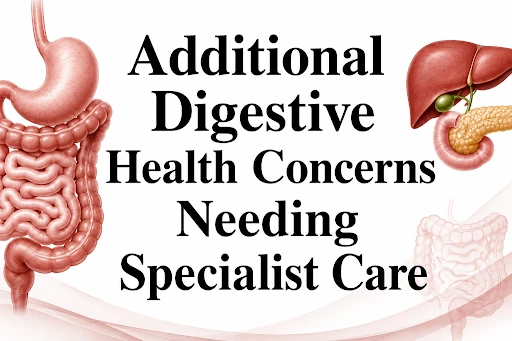
While gallbladder disease, inflammatory bowel disorders, pancreatitis, reflux disease, and gastrointestinal bleeding are among the more commonly recognised digestive disorders, several other conditions can also affect the digestive system and require specialist assessment.
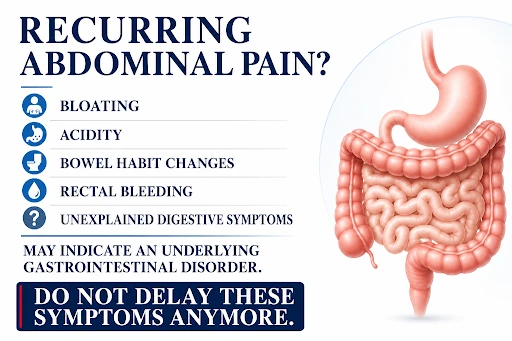
These conditions may present with abdominal pain, vomiting, jaundice, difficulty swallowing, bowel habit changes, rectal bleeding, or other unexplained digestive symptoms.
Corrosive Injuries of the Esophagus and Stomach
- May occur after ingestion of corrosive substances
- Can damage the lining of the food pipe and stomach
- May lead to swallowing difficulties and narrowing (strictures)
Diverticular Disease of the Large Bowel
- Involves pouch-like formations in the wall of the colon
- May cause abdominal discomfort, bloating, or changes in bowel habits
- Can become inflamed or infected
Gastric Outlet Obstruction
- Prevents the normal passage of food from the stomach into the intestine
- May cause persistent vomiting, bloating, and early fullness
- Requires evaluation to identify the underlying cause
Hydatid Cyst of the Liver and Other Abdominal Organs
- A parasitic disease that forms cysts within abdominal organs
- Often develops slowly over time
- Larger cysts may cause pain, pressure, or abdominal discomfort
Piles, Anal Fissure, and Anal Fistula
- Common conditions affecting the anal region
- May cause pain, bleeding, irritation, swelling, or discharge
- Can significantly affect comfort and quality of life
Biliary Stricture
- Narrowing of the bile duct that may obstruct normal bile flow
- Can result in jaundice and recurrent infections
- Requires careful evaluation to determine the underlying cause
Advanced Liver Disease Requiring Liver Transplant Evaluation
- Liver transplantation may be considered in selected patients
- Requires multidisciplinary assessment and long-term planning
- Management depends on disease severity and overall health status
Intestinal Perforation
- A serious condition involving a hole in the intestinal wall
- May lead to severe abdominal infection
- Often requires urgent surgical treatment
Persistent abdominal pain, jaundice, rectal bleeding, swallowing difficulties, or unexplained bowel changes should not be ignored. Consultation with Dr Sanjoy Mandal, a GI Surgeon in Kolkata, can help identify the underlying cause and guide appropriate treatment.
Table Overview: Common Symptoms & Possible Digestive Conditions
| Symptom | Commonly Associated Conditions |
| Right-sided abdominal pain | Gallbladder Stone, Liver Abscess |
| Blood in stool | Ulcerative Colitis, GI Bleeding |
| Persistent diarrhea | Ulcerative Colitis, Crohn's Disease |
| Fever with abdominal pain | Appendicitis, Liver Abscess, Abdominal TB |
| Severe indigestion | GERD, Gallbladder Stone |
| Unexplained weight loss | Crohn's Disease, Abdominal TB |
Let’s Recap
- Gallbladder stones may cause pain, indigestion, and complications.
- Ulcerative colitis and Crohn's disease are chronic inflammatory bowel disorders.
- Abdominal tuberculosis can mimic other digestive diseases.
- Liver abscesses require timely diagnosis and management.
- Appendicitis is a common abdominal emergency.
- Pancreatitis may significantly affect digestion and nutrition.
- Bile duct stones can obstruct normal bile flow.
- GERD commonly causes chronic reflux symptoms.
- GI bleeding should never be ignored.
- Early diagnosis often helps prevent disease progression.
Consult Dr Sanjoy Mandal, a GI Surgeon in Kolkata, for Persistent Digestive Problems
Call 098360 66320 today for an expert evaluation of digestive health and a clear treatment plan.
People Also Ask
Why does abdominal pain keep returning even after taking medicines?
Recurring abdominal pain may indicate an underlying digestive condition that requires diagnosis. Temporary symptom relief does not always address the actual cause.
Can digestive diseases cause symptoms outside the stomach and intestines?
Yes. Some digestive disorders may also contribute to fatigue, nutritional deficiencies, joint discomfort, skin problems, or general weakness.
Is unexplained jaundice always related to liver disease?
Not always. Jaundice can occur due to problems affecting the liver, gallbladder, bile ducts, pancreas, or normal bile drainage pathways.
Why do some digestive conditions remain undiagnosed for months?
Many digestive disorders share similar symptoms such as pain, bloating, diarrhoea, and weight loss, making accurate diagnosis challenging without proper evaluation.
Can difficulty swallowing be related to digestive tract disorders?
Yes. Problems affecting the food pipe, stomach, or upper digestive tract may cause swallowing difficulties that require specialist assessment.
When is recurrent vomiting a warning sign of a digestive problem?
Vomiting that persists, frequently recurs, or is associated with weight loss, dehydration, or abdominal pain should be medically evaluated.
Can digestive disorders affect a person’s ability to eat normally?
Yes. Certain digestive conditions may cause early fullness, nausea, swallowing difficulty, abdominal discomfort, or fear of eating due to symptoms.
What does unexplained fullness after small meals indicate?
Persistent early fullness may occur with certain stomach or upper digestive tract conditions and should be medically evaluated if ongoing.