

Most people have never heard of the retroperitoneum until a medical scan unexpectedly reveals a problem there.
Hidden deep inside the abdomen, this space surrounds several important organs and blood vessels.
Due to its location, a tumour in this area can continue growing quietly for a long time before noticeable warning signs appear.
That silence is what often makes retroperitoneal tumours difficult to recognise early.
Dr Sanjoy Mandal, an experienced GI surgeon in Kolkata, understands these warning signs and possible causes.
He advises that the importance of timely surgical guidance can help prevent delays in diagnosis and treatment planning.
What Are Retroperitoneal Tumours?
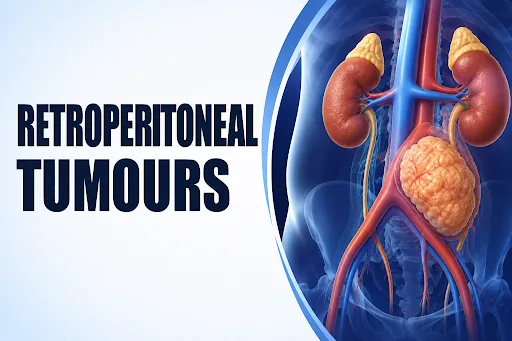
The retroperitoneum is the area located behind the abdominal lining. It contains structures such as:
- Kidneys
- Pancreas
- Adrenal glands
- Major blood vessels
- Lymphatic tissue
- Connective tissue and nerves
A retroperitoneal tumour develops within this deep abdominal space. Some growths may be non-cancerous, while others can become aggressive and spread gradually if left untreated.
One major challenge is that these masses often become quite large before creating obvious physical changes because the retroperitoneal space allows expansion without immediate pressure on surrounding structures.
Why Retroperitoneal Tumours Often Go Unnoticed Initially
Many abdominal conditions create early digestive complaints. Retroperitoneal tumours may behave differently.
As these growths form within deeper abdominal structures, visible warning signs may remain subtle during the earlier stages. Some individuals continue normal daily activities for months before changes become difficult to ignore.
In many situations, physical changes develop gradually rather than suddenly. People may initially assume the problem is related to:
- Acidity
- Bloating
- Muscle strain
- Weight fluctuations
- Digestive irregularity
- Fatigue caused by lifestyle stress
Unfortunately, delayed attention can sometimes allow the growth to increase further in size before medical intervention begins.
Common Signs and Symptoms That Should Not Be Ignored
Physical signs often depend on:
- Tumour size
- Exact location
- Surrounding organ involvement
- Pressure on nearby tissues or nerves
Not every individual experiences the same pattern.
Persistent Abdominal Heaviness or Pressure
One of the more common warning signs is a persistent feeling of abdominal heaviness, pressure or physical uneasiness that does not improve properly over time.
Some people describe:
- Deep abdominal pain
- Dull flank discomfort
- Unexplained abdominal tightness
- Discomfort while sitting or bending
Pain may not always feel sharp initially, which is one reason many individuals delay medical attention.
Unexplained Abdominal Fullness or Lump
As retroperitoneal growths enlarge, some individuals may notice visible abdominal fullness or swelling.
In certain situations, a lump may become noticeable during:
- Lying down
- Changing posture
- Routine self-examination
- Bathing or dressing
Any unexplained abdominal mass deserves proper medical attention, particularly if it gradually increases in size.
Sudden Changes in Appetite or Weight
Growths occupying abdominal space can sometimes affect appetite, digestion or nutritional intake indirectly.
Possible warning signs may include:
- Early fullness after meals
- Reduced appetite
- Unexplained weight loss
- Persistent nausea
- reduced energy levels
These changes are often mistaken for routine gastric concerns initially.
Back Pain That Feels Different From Usual Muscle Strain
Retroperitoneal tumours can sometimes create pressure on deeper tissues, nerves or muscles located closer to the spine.
This may lead to:
- Lower back discomfort
- Flank pain
- Deep pressure sensations
- Pain radiating toward the sides
Unlike ordinary muscular strain, these symptoms may continue despite rest, posture correction or pain medication.
Digestive or Urinary Changes
Depending on the tumour location, surrounding organs may gradually become compressed.
Some individuals may experience:
- Constipation
- Bloating
- Altered bowel habits
- Difficulty passing urine
- Urinary frequency
- Abdominal pressure during digestion
When these concerns persist without a clear explanation, further abdominal investigation may become necessary.
When Should Someone Seek Surgical Guidance?
People often delay specialist consultations because early warning signs appear vague initially.
However, medical attention becomes increasingly important when symptoms:
- Continue for weeks
- Gradually worsen
- Return repeatedly
- Interfere with eating or movement
- Remain unexplained despite routine medication
Persistent abdominal or back-related concerns should never be ignored simply because they appear manageable initially.
Early specialist attention may help improve diagnostic clarity and treatment planning before complications increase further.
How Retroperitoneal Tumours Are Diagnosed
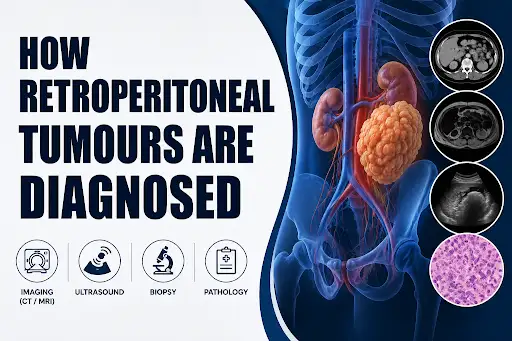
Diagnosis usually involves multiple stages designed to understand the size, location and behaviour of the tumour more clearly.
Common Diagnostic Approaches
| Diagnostic Method | Why It May Be Recommended |
| Physical examination | Helps assess visible swelling or tenderness |
| Ultrasound | Offers initial abdominal imaging support |
| CT scan | Provides detailed cross-sectional imaging |
| MRI | Helps evaluate tissue involvement more clearly |
| Biopsy | May help identify tumour type when required |
Doctors may recommend different investigations depending on symptoms, imaging findings and overall diagnostic findings.
Why GI Surgical Expertise Matters
Retroperitoneal tumours are often located close to critical organs, blood vessels and delicate anatomical structures. Surgical planning, therefore, requires careful precision and multidisciplinary understanding.
An experienced GI surgeon, like Dr Sanjoy Mandal, in Kolkata, may evaluate:
- Tumour location
- Surrounding organ involvement
- Possible surgical risks
- Treatment sequencing
- Post-surgical recovery planning
As every tumour behaves differently, management strategies are usually personalised rather than standardised.
Treatment Approaches May Differ for Every Patient
Management depends on several clinical factors, including:
- Tumour size
- Tumour type
- Spread pattern
- Overall patient health
- Surrounding organ involvement
Commonly Discussed Treatment Approaches
- Surgical removal
- Minimally invasive procedures in selected cases
- Structured monitoring in specific situations
- Multidisciplinary cancer care is required when needed
The primary goal is usually to manage the tumour while protecting nearby organs and preserving overall abdominal function as much as possible.
Why Early Attention Can Make a Significant Difference
Many abdominal tumours become more difficult to manage after they grow larger or involve nearby structures extensively.
This is one reason doctors encourage earlier medical attention when unexplained abdominal concerns continue without improvement.
People often ignore subtle physical changes because daily life still feels manageable. Unfortunately, silent progression can continue during that time.
Early medical guidance may help:
- Improve diagnostic clarity
- Reduce delays in treatment planning
- Identify complications earlier
- Support more organised clinical decision-making
Timely action often creates more options later.
Choosing the Right Surgical Guidance Matters
Serious abdominal conditions can feel emotionally overwhelming, especially when symptoms remain unexplained for long periods.
Patients usually look for more than technical expertise alone. They also value:
- Clear communication
- Responsible guidance
- Structured medical support
- Transparency during treatment discussions
- Confidence during decision-making
Final Verdict
Retroperitoneal tumours often develop quietly, which is why physical warning signs are frequently overlooked during the earlier stages.
Persistent abdominal heaviness, unusual abdominal fullness, appetite changes or unusual back pain should never be ignored when they continue without a clear reason.
Understanding when to seek medical guidance can help patients approach abdominal health concerns more responsibly and avoid unnecessary delays in diagnosis.
Dr Sanjoy Mandal combines advanced gastrointestinal surgical expertise with patient-focused treatment for complex abdominal and GI conditions.
Recognised by many as a trusted GI surgeon in Kolkata, he is known for precise surgical care and structured recovery-focused management.
Call 098360 66320 now to schedule an appointment today.
People Also Ask
Are retroperitoneal tumours always cancerous?
No. Some retroperitoneal growths may be non-cancerous, while others can become malignant. Proper imaging and clinical assessment help doctors understand their nature more accurately.
Why are retroperitoneal tumours difficult to detect early?
These growths develop deep inside the abdomen, where they may continue enlarging quietly before noticeable warning signs appear.
Can back pain sometimes indicate an abdominal tumour?
In certain situations, deeper abdominal growths may create pressure on nearby nerves or tissues, leading to persistent back or flank discomfort.
What warning signs should not be ignored?
Persistent abdominal swelling, unexplained weight loss, appetite changes, ongoing discomfort or continuing digestive disturbances should receive timely clinical attention if they do not improve.
Which scans are commonly used to examine retroperitoneal tumours?
Doctors may recommend ultrasound, CT scans, MRI imaging or biopsy-based investigations depending on the clinical situation.
When should someone consult a GI surgeon?
Specialist consultation becomes important when abdominal discomfort, swelling or digestive concerns continue despite routine treatment.
Why is early diagnosis important for abdominal tumours?
Earlier diagnosis may improve treatment planning, reduce delays in care and support more effective long-term management decisions.