

It often starts with something small — a dull ache after meals, occasional bloating, or a burning sensation in the upper abdomen. Most people dismiss these signs as acidity or a minor gastric ulcer. However, similar symptoms sometimes point to something far more serious: stomach cancer.
Every year, many patients delay seeking medical help simply because gastric ulcer symptoms and early signs of stomach cancer look so much alike. Both conditions cause pain, discomfort, and indigestion, yet the outcomes differ enormously. Recognizing the difference between stomach ulcer vs stomach cancer early can mean the difference between a quick recovery and a life-threatening diagnosis. This guide breaks down the causes, symptoms, diagnosis, and treatment of both conditions, so you know exactly when to consult a specialist.
Quick answer: Ulcer pain usually improves after eating or taking antacids and stays localized, while stomach cancer symptoms tend to worsen over time and often include unexplained weight loss, persistent fatigue, or blood in the stool. If your symptoms persist beyond two weeks or come with any red-flag sign, book a consultation immediately.

What Is a Gastric Ulcer?
A gastric ulcer is an open sore that forms in the lining of the stomach. It belongs to a broader category known as peptic ulcers, which also includes duodenal ulcers that develop in the upper part of the small intestine. Normally, a protective mucous layer shields the stomach wall from its own acid. When that layer breaks down, acid slowly erodes the tissue underneath, and a painful sore develops.
What Causes Gastric Ulcers?
Several factors damage the stomach's protective lining and trigger ulcer formation:
- H. pylori infection – responsible for most gastric ulcer cases
- Regular NSAID use – painkillers like ibuprofen or aspirin irritate the stomach wall over time
- Smoking and excessive alcohol – increase acid production and slow healing
- Chronic stress and poor diet – worsen existing damage, though they rarely cause ulcers alone
- Age and genetic susceptibility – older adults and those with a family history face higher risk
What Are the Common Symptoms of a Gastric Ulcer?
Ulcer symptoms typically include burning or gnawing pain in the upper abdomen, especially on an empty stomach. Bloating, belching, heartburn, and mild nausea often accompany the pain. In most cases, eating something or taking an antacid brings quick relief. In severe cases, however, black or tarry stools and vomiting blood may appear, signaling a bleeding ulcer that needs urgent care.
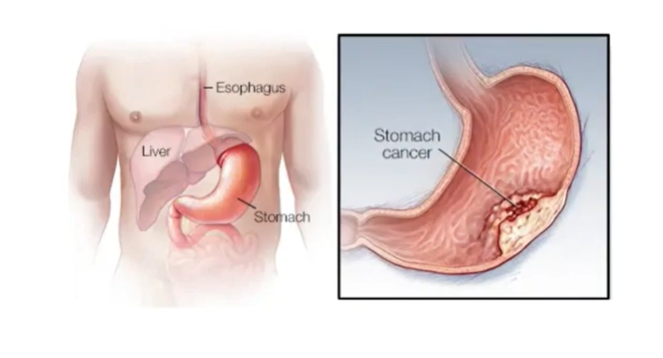
What Is Stomach Cancer?
Stomach cancer develops when abnormal cells grow uncontrollably in the stomach lining. Adenocarcinoma, which originates in the mucosal layer, accounts for most cases. Unlike an ulcer, cancer cells can invade deeper layers of the stomach wall and eventually spread to nearby organs or lymph nodes if the disease isn't caught early.
What Causes Stomach Cancer?
Multiple risk factors contribute to stomach cancer, and several overlap with ulcer risk factors:
- Chronic H. pylori infection – long-term, untreated infection significantly raises risk
- Diet high in salted, smoked, or processed foods – low intake of fresh fruits and vegetables adds further risk
- Smoking and family history – genetic predisposition plays a meaningful role
- Prior stomach surgery – earlier removal of part of the stomach slightly raises long-term risk
What Are the Early Symptoms of Stomach Cancer?
Unfortunately, early-stage stomach cancer rarely produces obvious symptoms, which is why most cases are diagnosed after the tumor has grown or spread. When symptoms do appear, they include persistent indigestion, loss of appetite, early fullness after small meals, and mild abdominal discomfort. As the disease advances, unexplained weight loss, chronic fatigue, blood in stools, and vomiting blood tend to develop.
Why Do Ulcer and Stomach Cancer Symptoms Feel So Similar?
Both conditions originate in the same organ and disrupt the same digestive processes, so overlapping symptoms are common. Nausea, bloating, loss of appetite, and abdominal discomfort appear in both cases without a clear cause. Consequently, self-diagnosis becomes risky, and only proper testing can confirm which condition is actually present.
What Are the Key Differences Between Ulcer Pain and Cancer Pain?
| Feature | Gastric Ulcer | Stomach Cancer |
|---|---|---|
| Pain pattern | Burning or gnawing, often on empty stomach | Dull, persistent, gradually worsening |
| Relief with food/antacids | Usually improves | Rarely improves; may worsen |
| Weight loss | Uncommon unless severe | Common and often unexplained |
| Blood in stool/vomit | Possible in severe ulcers | Common in advanced stages |
| Appetite | Generally normal | Often reduced, early fullness |
| Duration | Improves with treatment in weeks | Persists or worsens despite treatment |
Can a Stomach Ulcer Turn Into Stomach Cancer?
A benign gastric ulcer itself doesn't usually transform into cancer. That said, chronic, untreated H. pylori infection and long-standing gastric inflammation raise the overall risk of developing stomach cancer over time. This is precisely why doctors recommend confirming the cause of any persistent ulcer and completing the full course of treatment rather than simply masking the pain with antacids.
What Are the Red-Flag Symptoms You Should Never Ignore?
Certain warning signs demand immediate medical attention, regardless of how mild the discomfort initially seems: unexplained weight loss, persistent vomiting or vomiting blood, black or tarry stools, difficulty swallowing, a lump or fullness in the abdomen, and pain that doesn't improve with antacids after a few weeks.
How Do Doctors Diagnose an Ulcer vs. Stomach Cancer?
Because symptoms overlap so heavily, diagnostic testing becomes essential rather than optional. A gastroenterologist or GI surgeon typically begins with a detailed medical history before moving to targeted tests.
What Tests Are Used?
An upper endoscopy examines the stomach lining directly with a thin camera and allows a biopsy if anything unusual appears; tissue samples are then checked under a microscope to rule out malignancy. H. pylori testing (breath, stool, or blood) confirms whether the bacterium is present, while CT scans or ultrasound imaging help assess whether cancer has spread beyond the stomach.
What Are the Treatment Options for Each?
How Is a Gastric Ulcer Treated?
Most gastric ulcers heal within a few months with proper treatment. Acid-suppressing medications reduce stomach acid and allow the lining to recover, while antibiotics eliminate H. pylori infection when present. Doctors also advise avoiding NSAIDs, quitting smoking, and limiting alcohol to speed up healing.
How Is Stomach Cancer Treated?
Stomach cancer treatment depends on the stage at diagnosis and typically requires a more aggressive approach. Surgery to remove the tumor, combined with chemotherapy or radiation therapy, forms the backbone of most treatment plans. Early-stage cancer, when detected promptly, offers considerably better outcomes than cancer diagnosed at an advanced stage.
When Should You See a Doctor?
You shouldn't ignore stomach pain that persists for more than two weeks, particularly if it's accompanied by weight loss, vomiting, or blood in the stool. A family history of stomach cancer or a prior H. pylori diagnosis makes regular monitoring even more important. When in doubt, an early consultation with a GI specialist is always the safer choice.
How Can You Reduce Your Risk of Both Conditions?
A few consistent habits lower the risk of both gastric ulcers and stomach cancer: get tested and treated promptly for H. pylori, limit processed and salted foods while eating more fresh produce, avoid long-term NSAID use where possible, quit smoking, moderate alcohol intake, and schedule regular check-ups if a family history of stomach conditions exists.
Frequently Asked Questions
Can a stomach ulcer turn into cancer?
Not directly, but chronic H. pylori infection and long-term inflammation linked to ulcers do raise cancer risk over time.
How do I know if my stomach pain is serious?
Pain lasting beyond two weeks, or pain paired with weight loss, vomiting, or blood in stools, should always be evaluated.
What does ulcer pain feel like compared to cancer pain?
Ulcer pain usually burns and improves with food or antacids; cancer-related discomfort tends to be dull, persistent, and unresponsive.
Is H. pylori infection linked to stomach cancer?
Yes, untreated H. pylori infection is one of the strongest known risk factors for stomach cancer.
What are the earliest warning signs of stomach cancer?
Mild indigestion, loss of appetite, and early fullness after small meals are common early signs that are easy to overlook.
How long does it take for a gastric ulcer to heal?
Most gastric ulcers heal within four to eight weeks with proper treatment.
Can stomach ulcers be cured completely?
Yes, most ulcers are fully curable with acid-suppressing medication, H. pylori treatment, and lifestyle changes.
What tests confirm stomach cancer vs. an ulcer?
An upper endoscopy with biopsy remains the most reliable way to distinguish between the two conditions.
Is weight loss always a sign of cancer?
Not always, but unexplained, continuous weight loss is a red flag that warrants prompt evaluation.
Can lifestyle changes prevent both ulcers and stomach cancer?
A healthier diet, H. pystomach cancerlori treatment, and avoiding smoking and excess NSAID use lower the risk of both conditions.
Conclusion — Don’t Wait to Get Checked
Gastric ulcers and stomach cancer share enough symptoms to confuse even the most attentive patient. However, the stakes involved make guessing far too risky. If stomach pain, bloating, or indigestion lingers for more than two weeks, or if any red-flag symptom appears, an accurate diagnosis is only a consultation away. Early evaluation, timely testing, and expert guidance remain the most reliable ways to protect your long-term digestive health.